Environmental tipping zones
Environmental tipping zones. Diagramming emerging mediacultural practices against geoextractivism
This research project investigates how emergent mediacultural practices operate as tools of resistance, resilience, and documentation in regions severely impacted by environmental violence resulting from neocolonial geoextractivism. Initiated by Dr. Michał Krawczak (Principal Investigator) and Prof. Agnieszka Jelewska (Senior Researcher), the project continues over a decade of collaborative inquiry into the intersection of media, violence, and collective action in response to human and ecological crises. The central goal of the project is to explore how communities in four global “tipping zones” engage in innovative cultural and media practices in response to the ecological, cultural, and social disruption caused by extractive industries. These zones include:
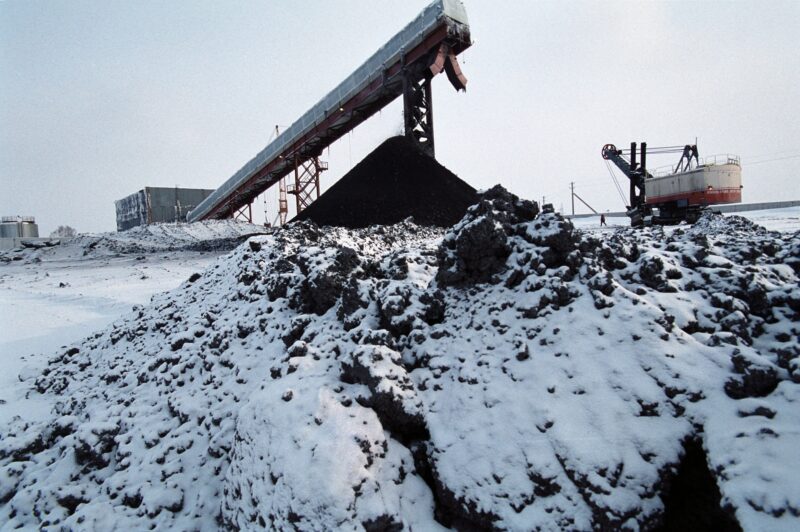
- Kiselyovsk, Russia – affected by open-pit coal mining and socio-political repression;
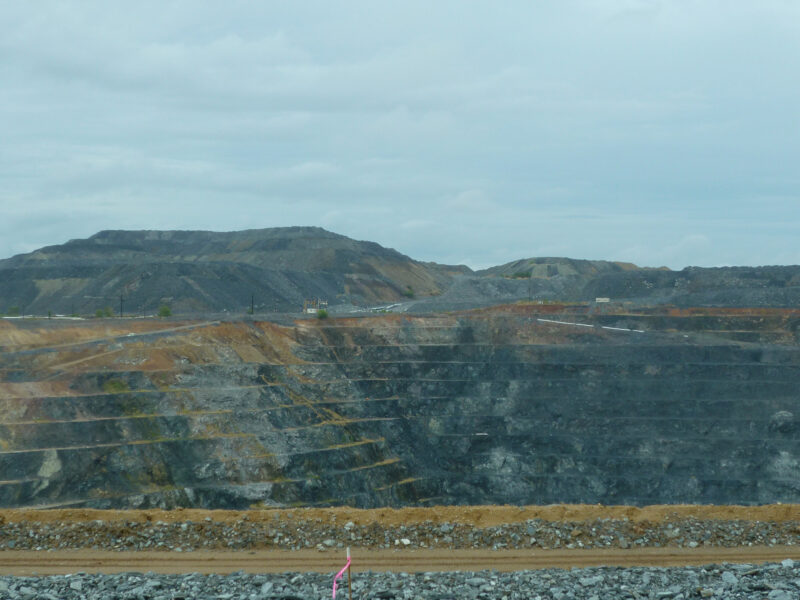
- Kakadu National Park, Australia – site of uranium mining on sacred Aboriginal lands;
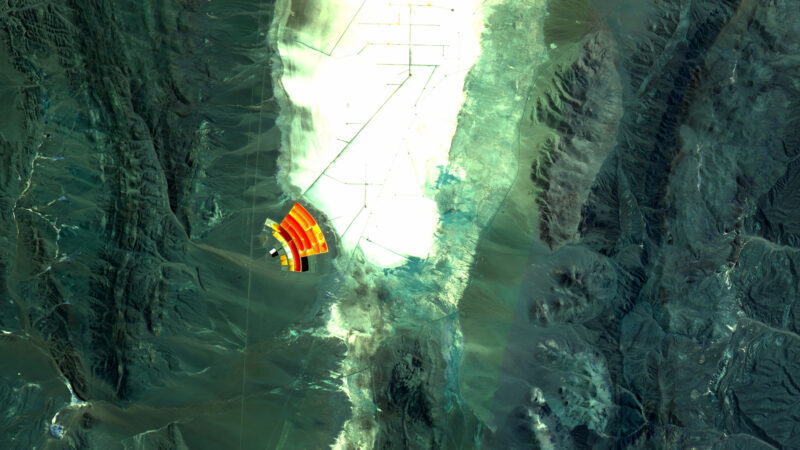
- Jujuy, Argentina – part of the Lithium Triangle, impacted by lithium extraction and water scarcity;
- Kvanefjeld, Greenland – a region facing new extractive pressures due to climate change and rare earth mining.
These locations serve as critical index sites of planetary-scale transformation—areas where geological extraction overlaps with cultural degradation and where long-term environmental harm is experienced as both ecological and human trauma, a phenomenon referred to as “geotrauma.” The research examines how media practices arising from these communities—including photography, video, performance, and digital archives – become instruments of memory, resistance, and agency. These practices are framed as acts of geosocial solidarity, challenging dominant narratives produced by technoscientific and satellite surveillance perspectives.
The methodological framework of the project is participatory and interdisciplinary. In addition to desk and online research, fieldwork will be conducted in Australia, Argentina, and Greenland, with interviews taking place in Germany for the Russian case (due to political asylum of interviewees). Central to the methodology is Participatory Diagramming (PD), a multimodal method developed by the research team, which involves co-creating visual and media-rich representations of community experiences and knowledge. These diagrams will integrate video, sound, materials, and narrative accounts to create interactive platforms for comparative analysis and public dissemination. The project also introduces the concept of “postcollectives” to describe the broader constellation of actors involved in these cultural responses—including activists, artists, NGOs, scientists, and displaced persons. These formations extend beyond conventional definitions of community, incorporating human and more-than-human agencies within what Donna Haraway terms “natureculture.” The research seeks to understand how such postcollectives reclaim the “right to the future” by generating cultural memory and producing alternative knowledge frameworks from within zones of crisis. From a theoretical standpoint, the project engages with environmental humanities, critical media studies, decolonial critique, and political ecology. It addresses an urgent gap in current academic discourse by focusing on underexplored cultural dimensions of environmental crisis and by documenting mediacultural practices that are not only reactive but generative—producing new modes of knowing, resisting, and adapting. Each case study offers unique insights into the consequences of extractivism:
- In Kiselyovsk, the legacy of forced labor, Soviet-era repression, and toxic air pollution meets with grassroots digital media resistance.
- In Kakadu, Aboriginal communities document cultural genocide and uranium contamination, producing counter-narratives that challenge state and corporate media.
- In Jujuy, communities fight for water rights and cultural continuity, developing artistic protest forms that reinterpret ecological destruction.
- In Greenland, the confluence of climate change and mining creates new cultural and epistemological challenges, as traditional knowledge systems adapt to warming and extraction.
Throughout, the project will collaborate with internationally recognized experts and local research assistants to ensure ethically grounded and culturally sensitive research.
The project is implemented under the Polish National Science Centre grant no. 2025/57/B/HS2/01352